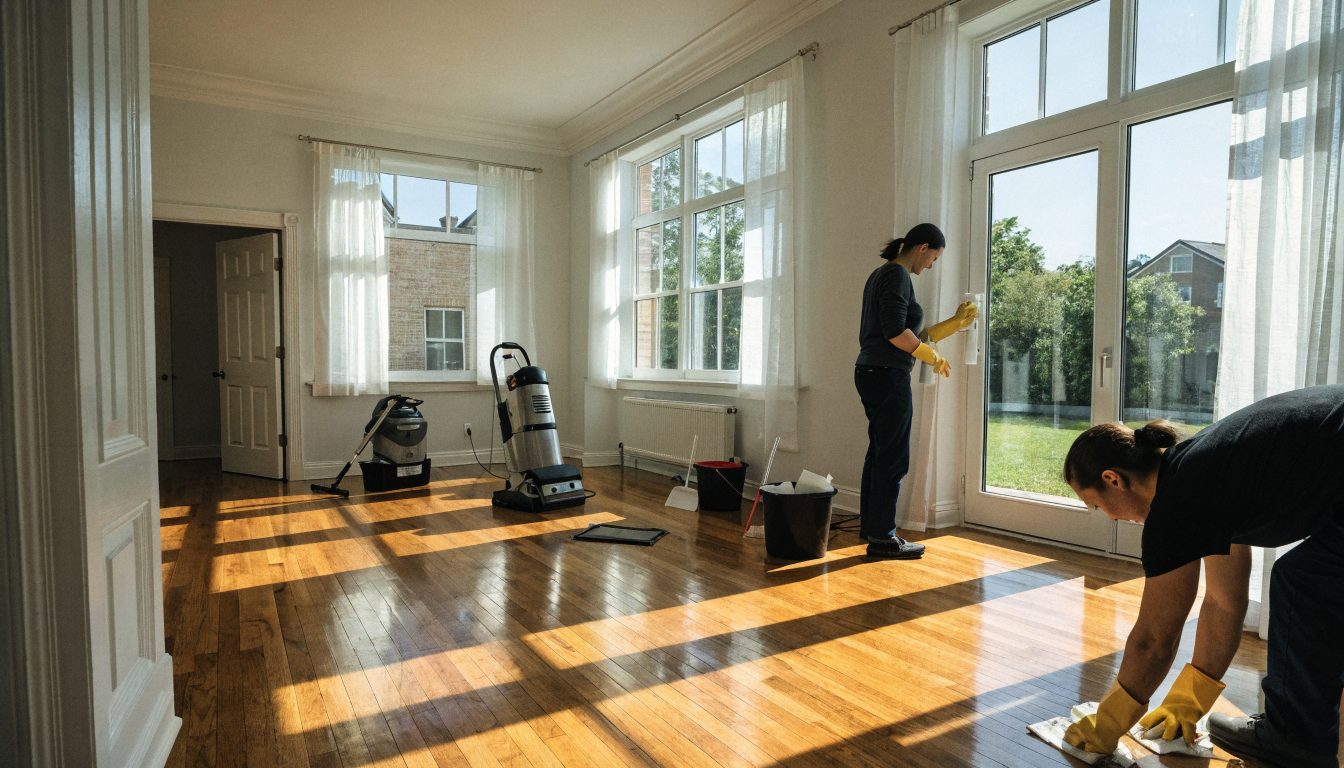
Start with the kitchen and bathrooms (the two rooms landlords scrutinize hardest), then work room by room from ceiling to floor: light fixtures and vents first, then walls and cabinets, then flooring last. Empty every closet and cabinet completely, wipe down all interior surfaces, and don't forget baseboards, window tracks, and behind large appliances — these are the four spots that cost the most in deposit deductions.
Why Move-Out Cleaning Is Different From a Regular Clean
A move-out clean isn't a deeper version of your weekly routine — it's a different job entirely. Your regular cleaning maintains a lived-in home. A move-out clean has to erase every trace that you lived there at all, because that's the standard your lease actually holds you to.
Most Indiana leases include language requiring the unit be returned in the same condition it was received, "normal wear and tear excepted." The disputes almost always come down to what counts as wear and tear versus what counts as neglect — and property managers tend to interpret that line generously in their own favor. The safest approach is to clean as if a new tenant is moving in tomorrow, not as if you're doing a final tidy-up.
The Room-by-Room Checklist
Kitchen
- Interior and exterior of the refrigerator, including under the crisper drawers and the door gasket
- Inside the oven, including the racks, and the stovetop drip pans or glass surface
- Inside and behind the microwave
- Every cabinet and drawer, inside and out, including greasy fingerprints near handles
- Countertops, backsplash, and the often-forgotten strip of wall behind the faucet
- Sink and garbage disposal (run it with ice and a little dish soap to clear odor)
- Floor, including the corners and under any movable appliances
Bathrooms
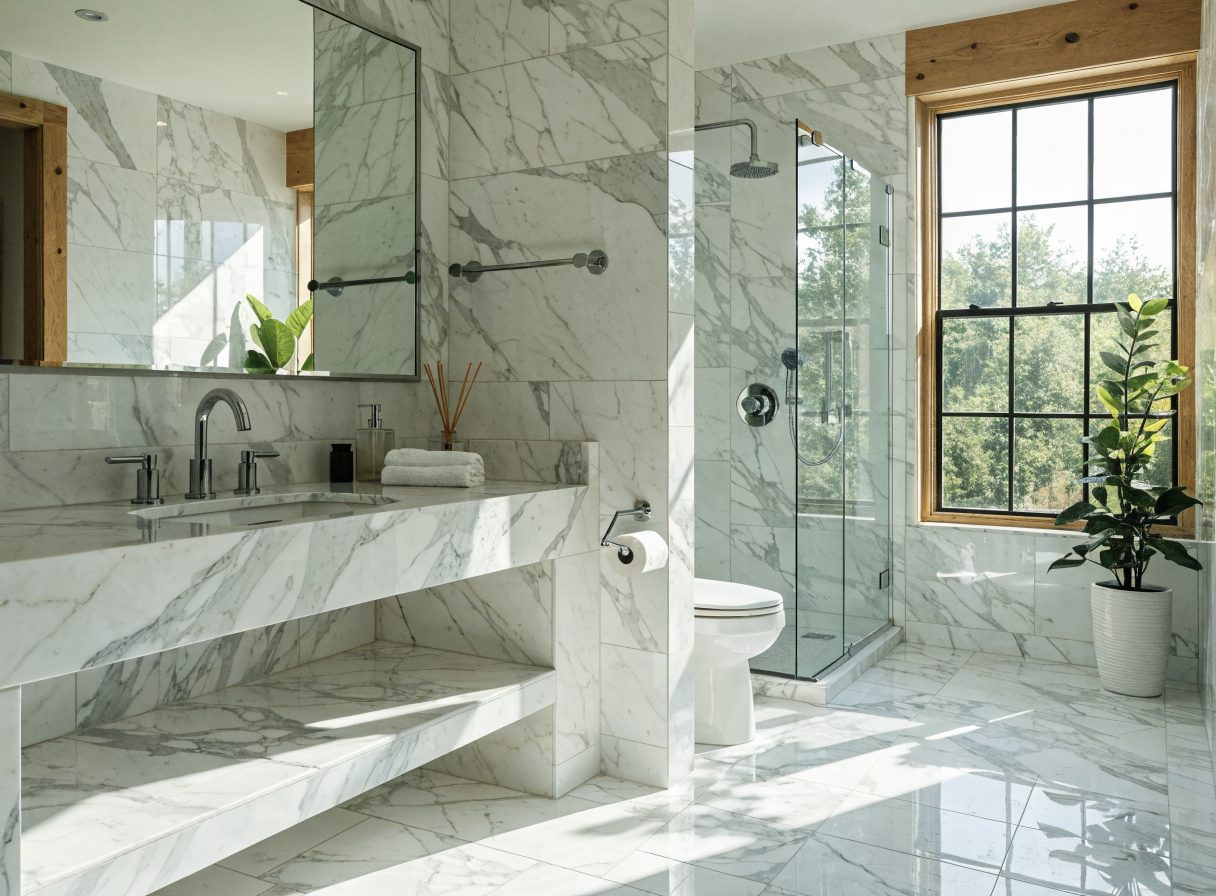
- Toilet — bowl, base, and the often-skipped bolt caps
- Tub and shower, including grout and the tracks of any sliding glass doors
- Vanity, sink, and inside the cabinet underneath (check for old hair product rings)
- Mirror and light fixtures — dust buildup here is one of the first things inspectors notice
- Exhaust fan cover, which usually hasn't been touched since move-in
Bedrooms & Living Areas
- All closets, completely empty, shelves wiped and floor vacuumed
- Baseboards along every wall — a magnet for dust that's easy to overlook
- Window sills and tracks, inside and out where accessible
- Light switch plates and door handles, which carry more grime than most people expect
- Carpet vacuumed thoroughly, or professionally cleaned if your lease requires it
- Any nail holes filled per your lease terms (check before you assume this is included)
The Four Spots That Cost the Most in Deposit Deductions
If time is tight, prioritize these — they're the details property managers are trained to look for, precisely because tenants tend to skip them:
| Spot | Why It Matters |
|---|---|
| Behind & under the refrigerator | Almost never cleaned during a tenancy — inspectors check it specifically because they know that. |
| Baseboards & window tracks | Visible dust here signals a rushed clean even if the rest of the unit looks great. |
| Inside the oven | One of the most commonly cited deductions on Indiana move-out statements. |
| Closet shelving & tracks | Easy to forget since closets are "out of sight" — but they're on every inspection checklist. |
A Cleaning Order That Actually Saves Time
Clean from the top of the room down, and from the back of the unit toward the front door:
- Ceiling and fixtures first — light fixtures, ceiling fans, and vent covers, since dust falls downward onto everything below.
- Walls and cabinets next — spot-clean marks and wipe down cabinet exteriors and interiors before you touch the floor.
- Appliances — oven, refrigerator, microwave, and dishwasher, inside and out.
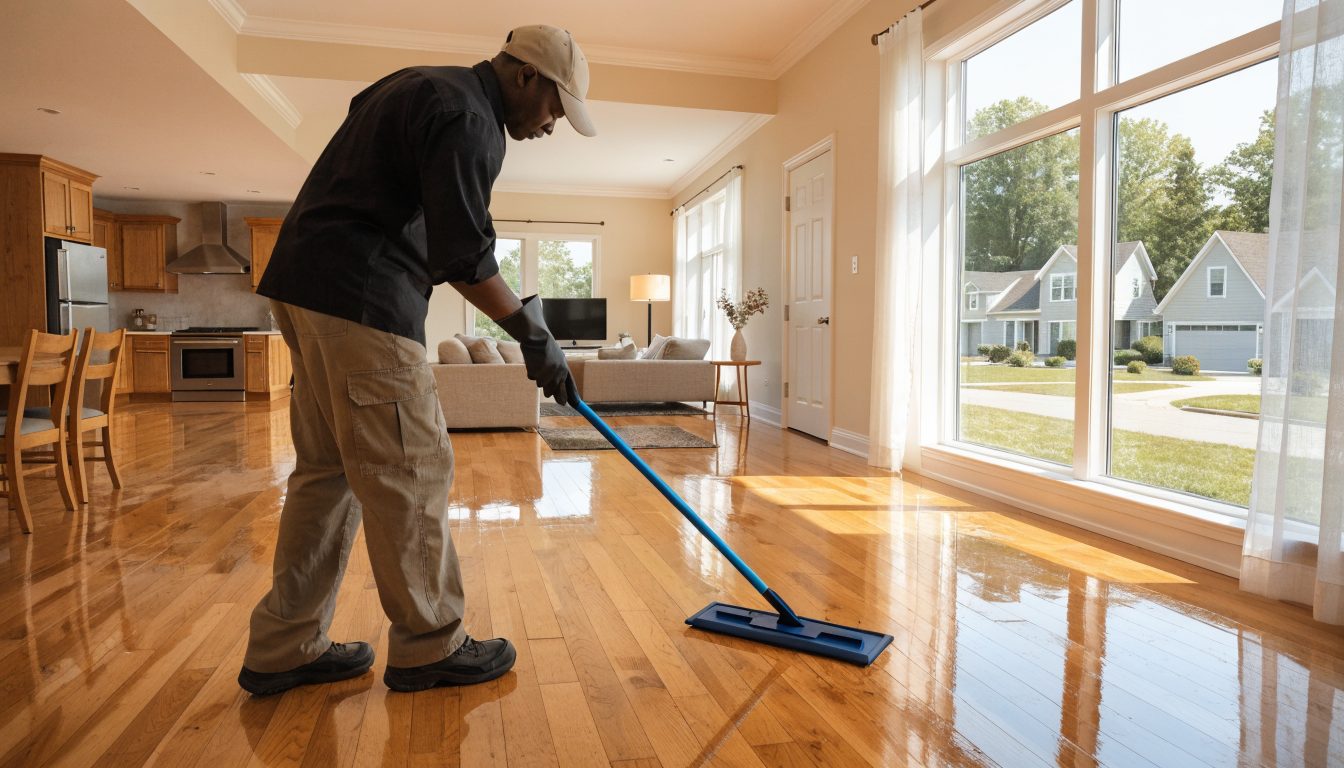
- Floors last, always — vacuum, then mop, working backward out of each room so you're not walking over what you just cleaned.
Doing floors first is the single most common mistake — everything you clean afterward drops debris right back onto them.
Ready to Skip Straight to Clean?
Our insured, background-checked team handles it — get a free, firm quote based on your actual home, usually within one business hour.
Get Your Free Quote