Quick Answer
The most common cleaning mistakes involve spreading bacteria rather than removing it: using the same cloth across multiple surfaces, cleaning with a dirty mop or sponge, and dusting before vacuuming instead of after. Fixing the order you clean in — top to bottom, dust before vacuum, and rotating clean cloths per surface type — solves most of the issues below without buying any new products.
Cross-Contamination Mistakes
- Using one cloth for every surface. Wiping down a cutting board and then a bathroom counter with the same rag spreads bacteria rather than removing it. Use separate cloths for kitchen, bathroom, and general surfaces.
- Not washing sponges and dish rags regularly. A damp sponge left near a sink is one of the more bacteria-dense objects in an average home — microwave it damp for a minute or run it through the dishwasher regularly.
- Cleaning with a dirty mop. A mop that hasn't been rinsed since its last use redistributes old grime across your floor rather than lifting new dirt off it.
- Reusing the same bucket water for every room. Water gets dirtier with each surface it touches — change it at least once between heavily soiled areas and lighter ones.
Order-of-Operations Mistakes
- Vacuuming before dusting. Dust settles after you disturb it — vacuuming first means you're just vacuuming again after dusting resettles everything onto the floor.
- Cleaning floors before counters. Debris and dust from wiped counters falls to the floor — clean surfaces top to bottom, floors last, every time.
- Washing windows in direct sunlight. Cleaner dries too fast in direct sun, leaving streaks behind before you can wipe it fully clean.
Product Mistakes
- Using too much cleaning product. Excess product often leaves a residue film that actually attracts more dust and dirt than a lighter, properly-diluted application.
- Mixing incompatible cleaners. Bleach and ammonia-based products (including many glass cleaners) create toxic fumes when combined — always rinse surfaces before switching product types.
- Using all-purpose cleaner on everything. Natural stone, hardwood, and certain finishes need surface-specific products; an all-purpose cleaner can dull or damage them over time.
- Not letting disinfectant sit long enough. Most disinfecting products need several minutes of contact time to actually kill bacteria and viruses — wiping it off immediately after spraying often does little beyond cleaning cosmetically.
Habit Mistakes
- Skipping "invisible" spots because they look clean. Light switches, door handles, and remote controls rarely look dirty but carry significant bacteria from repeated hand contact.
- Not replacing cleaning tools often enough. A worn mop head or a scrub brush past its useful life pushes grime around rather than lifting it.
- Cleaning only when it looks dirty. Dust, allergens, and bacteria accumulate well before they're visible — a schedule beats a visual trigger for consistent results.
- Forgetting to clean the cleaning tools themselves. Vacuum filters, mop heads, and cleaning caddies accumulate their own buildup and need periodic attention too.
Ready to Skip Straight to Clean?
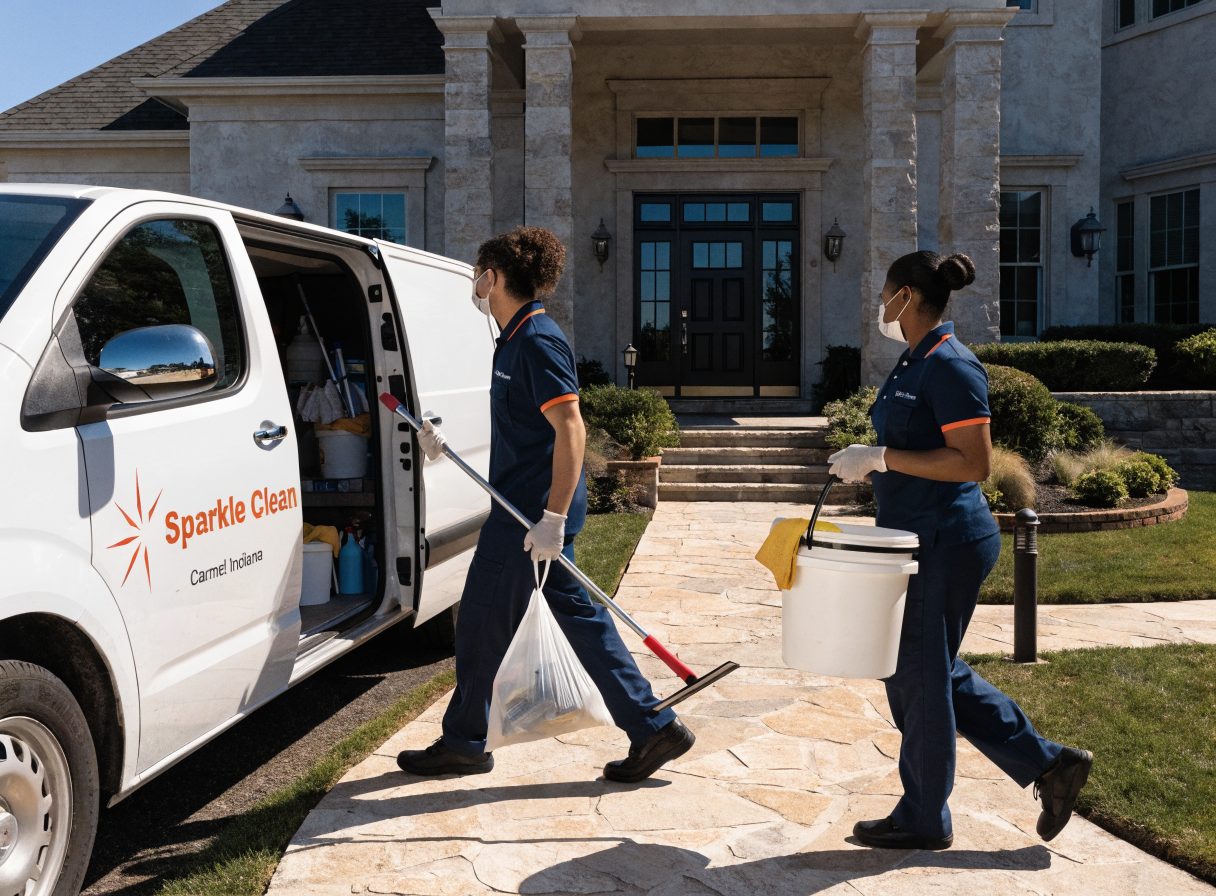
Our insured, background-checked team handles it — get a free, firm quote based on your actual home, usually within one business hour.
Get Your Free QuoteFrequently Asked Questions
What's the single most impactful fix from this list?
Cleaning top to bottom, with floors always last, fixes several of these issues at once and requires no new products or tools — just a change in order.
How often should cleaning tools like mops and sponges be replaced?
Sponges are worth replacing every 1–2 weeks with regular use; mop heads typically last a few months depending on frequency, but should be washed after every use in the meantime.
Is it worth color-coding cleaning cloths by room?
For households concerned about cross-contamination, yes — it's a simple system (one color per room type) that removes the guesswork about which cloth touched what.
Do professional cleaners avoid these mistakes automatically?
A trained team follows a consistent, correct-order process every visit, which is part of what separates a professional house cleaning from a rushed DIY pass.