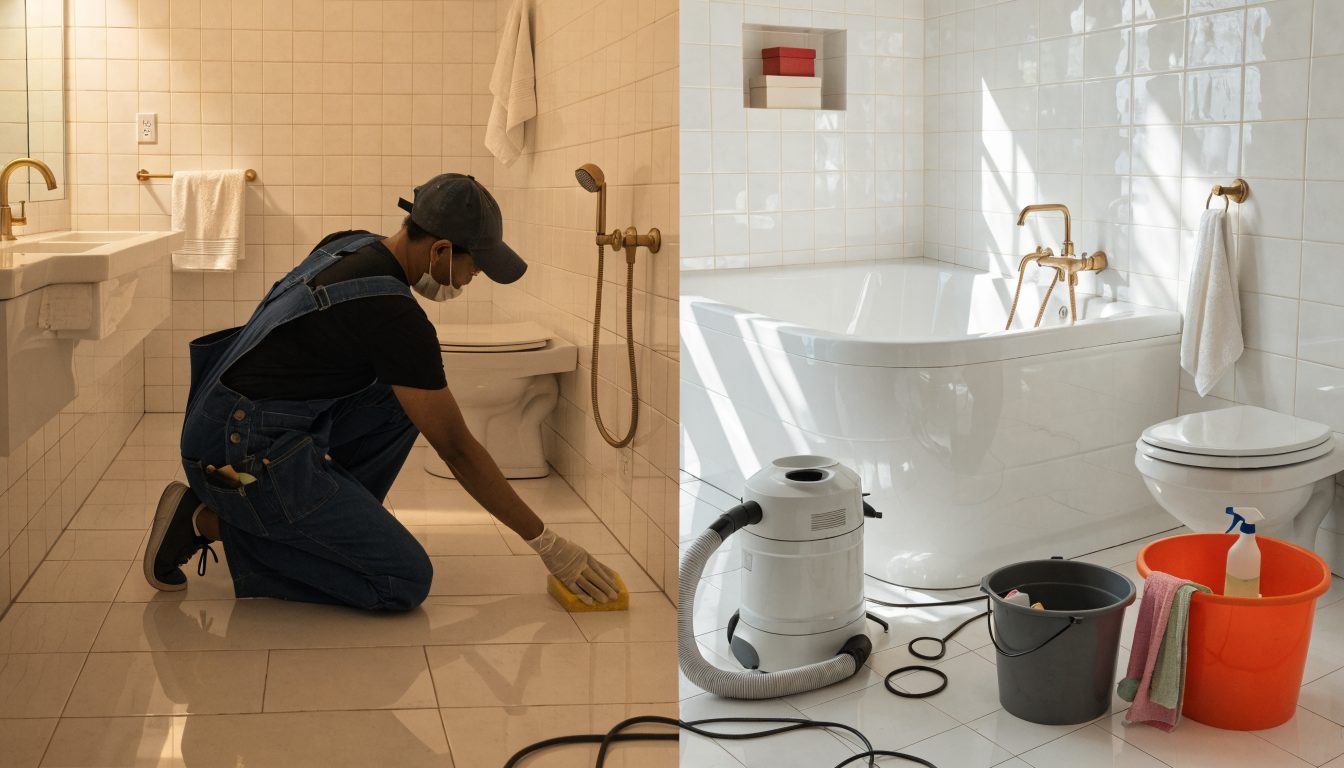
Managing pet hair effectively requires layering multiple approaches rather than relying on one: a rubber-bristle or pet-specific vacuum attachment for embedded hair, a lint roller or damp rubber glove for upholstery between vacuums, regular brushing to catch loose hair before it sheds onto surfaces, and a HEPA air purifier to catch airborne dander. Odor control is a separate issue driven mostly by bedding, litter areas, and fabric — regular washing matters more than air freshener.
Why Pet Hair Is Harder to Manage Than Regular Dust
Pet hair behaves differently than ordinary household dust — it's static-charged, which makes it cling to fabric, upholstery, and even hard surfaces in a way that resists a standard vacuum pass. It also embeds into carpet fibers and fabric weave rather than sitting loosely on top, which is why a quick vacuum often leaves a home looking hair-free while a closer look (or a lint roller test) reveals otherwise.
A Layered Approach That Actually Keeps Up
Tools Worth Having
- A vacuum with a pet-specific or rubber-bristle attachment. These loosen embedded hair from carpet and upholstery far more effectively than a standard brush attachment.
- A rubber squeegee or damp rubber glove. For upholstery and car seats, dragging a slightly damp rubber glove across the fabric gathers hair into removable clumps in a way vacuuming alone often misses.
- Microfiber cloths for hard surfaces. These trap hair and dander through static attraction rather than just pushing it around, which a dry paper towel tends to do.
- A HEPA air purifier. Airborne dander — not just visible hair — is a major contributor to pet-related allergy symptoms; a HEPA filter captures particles a vacuum never touches.
Managing Odor Separately From Hair
Hair and odor are related but distinct problems, and it's worth treating them separately rather than assuming one solution handles both:
- Wash pet bedding weekly. This is one of the highest-impact single habits for odor control, since bedding absorbs and holds onto pet odor more than almost any other surface.
- Keep litter areas and food bowls cleaned on a tight schedule. These are usually the actual odor source, even when the smell seems to be coming from "the whole house."
- Avoid masking odor with heavy fragrance products. These combine with existing odor rather than replacing it, often creating a worse combined smell than either alone.
- Address the source, not just the air. An air freshener treats the symptom; regularly washing fabric that holds odor (curtains, throw blankets, pet beds) treats the actual cause.
A Realistic Weekly Rhythm
| Task | Frequency |
|---|---|
| Vacuum high-traffic areas | 2–3x per week |
| Brush pet | 2–3x per week (daily for heavy shedders) |
| Wipe hard surfaces with microfiber | Weekly |
| Wash pet bedding | Weekly |
| Deep clean upholstery | Monthly |
Ready to Skip Straight to Clean?
Our insured, background-checked team handles it — get a free, firm quote based on your actual home, usually within one business hour.
Get Your Free Quote